
Cat:Màng UF
Trong lĩnh vực thanh lọc nước công nghiệp, các tiêu chuẩn chất lượng nghiêm ngặt được yêu cầu. Để đối phó với thách thức này, một bộ lọc màng với c...
Xem chi tiếtService hotline: +86-13396595772


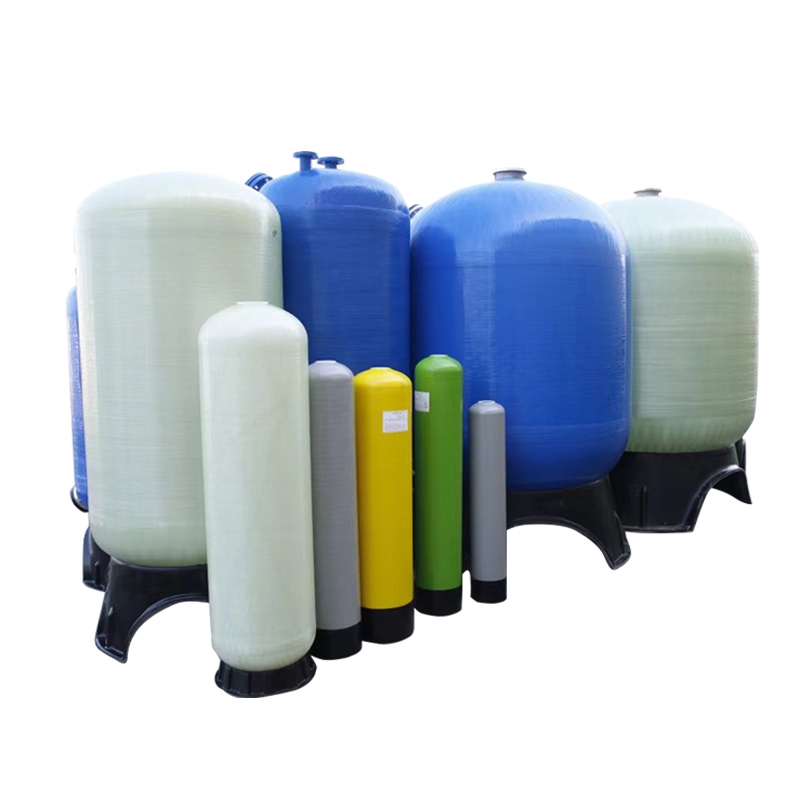
Chemical plants, water treatment facilities, and industrial operations face a critical challenge: selecting storage tanks that withstand corrosive substances without frequent replacement or costly maintenance. Steel tanks require constant protective coatings and rust prevention, while conventional plastic containers lack the structural strength for demanding applications. This is where FRP tanks emerge as a transformative solution, combining exceptional corrosion resistance with long-term durability and minimal upkeep.
The market for fiberglass reinforced plastic storage solutions has grown significantly, yet many decision-makers struggle to navigate the technical specifications, material variations, and selection criteria. This comprehensive guide cuts through the confusion, providing you with the knowledge to make informed purchasing decisions based on your specific operational requirements.
FRP stands for Fiberglass Reinforced Plastic , a composite material engineered specifically for demanding industrial applications. Unlike traditional plastic tanks that become brittle under pressure or steel containers prone to corrosion, FRP combines the chemical resistance of resin matrices with the structural strength of fiberglass reinforcement.
The fundamental advantage lies in the material composition: FRP is fundamentally different from standard plastics because the glass fibers provide tensile strength while the resin provides chemical protection. This dual-function approach eliminates the need for external protective coatings or complex internal linings that plague alternative solutions.
Professional FRP tanks are constructed using a precise three-layer system, each serving a critical function:
This tri-layer design approach ensures that FRP tanks deliver comprehensive protection: corrosion resistance from the inside, structural capacity throughout the walls, and environmental durability on the exterior.
The decision between FRP tank systems and traditional steel containers significantly impacts your long-term operational costs and reliability. The following comparison addresses the key performance metrics that influence industrial purchasing decisions:
| Performance Metric | FRP Tank | Steel Tank |
|---|---|---|
| Corrosion Resistance | Excellent across acids, bases, and salts | Poor; requires protective coatings |
| Tank Weight | Lightweight; 25-35% of steel weight | Heavy; requires reinforced foundations |
| Expected Lifespan | 20-30 years with minimal intervention | 10-15 years; requires continuous maintenance |
| Initial Capital Cost | Higher upfront investment | Lower initial purchase price |
| Maintenance Requirements | Minimal; occasional cleaning | Extensive; rust treatment, recoating |
| Suitability for Corrosive Media | Ideal for acids, alkalis, solvents | Limited to non-corrosive liquids |
| Installation Complexity | Lighter, faster installation possible | Heavy equipment, extensive labor required |
The total cost of ownership calculation strongly favors FRP solutions when corrosive environments are involved. While initial capital expenditure is higher, the elimination of maintenance cycles, coating replacements, and emergency repairs results in substantially lower lifetime costs.
FRP tank technology addresses critical storage requirements across diverse industries. Understanding where these systems excel helps identify whether your application represents an ideal use case:
The chemical industry represents the primary application domain for advanced fiberglass tank systems. Operations storing hydrochloric acid, sulfuric acid, nitric acid, or hydrogen fluoride require materials that withstand extreme corrosion without degradation. FRP tanks engineered with appropriate resin systems maintain structural integrity under these demanding conditions, where steel alternatives would deteriorate rapidly.
Municipal water treatment plants, industrial water purification facilities, and wastewater processing centers rely on specialized tanks for multiple functions. Clarifier tanks, filtration chambers, and effluent storage tanks benefit from FRP construction, which resists biological degradation and chemical attack from treatment additives.
Underground double-wall FRP tanks provide environmentally compliant solutions for petroleum product storage. The fiberglass construction offers fuel compatibility while the double-wall design provides secondary containment, satisfying environmental regulations and risk management requirements.
Food-grade FRP tanks manufactured with pharmaceutical-quality resin systems maintain product integrity during storage. These applications demand materials that neither leach contaminants nor absorb product components, ensuring compliance with industry standards and consumer safety regulations.
Large-volume water storage tanks and liquid fertilizer containers serve agricultural facilities requiring dependable, low-maintenance equipment. The lightweight construction simplifies installation in remote locations, while resistance to fertilizer chemicals eliminates degradation concerns.
Making the optimal tank selection requires systematic evaluation of multiple technical and operational factors. The following criteria guide procurement decisions and ensure alignment with your specific requirements:
The stored substance fundamentally determines which resin system provides appropriate chemical resistance. Epoxy resin systems resist many organic solvents and acids. Phenolic resin formulations handle extreme acid concentrations and temperature variations. Polyester systems offer economical solutions for moderate-corrosion environments. Verify that the tank manufacturer offers resin systems specifically formulated for your intended media.
Temperature stability directly affects resin performance and structural integrity. Standard FRP systems operate effectively between 40°F and 140°F. Applications involving heated liquids or cold-climate installations require specialized resin formulations with expanded temperature ratings. Confirm temperature specifications with manufacturers before finalizing selections.
FRP tanks accommodate capacity requirements ranging from small laboratory-scale containers (0.1 cubic meters) to massive industrial installations (25-meter diameter tanks produced through on-site manufacturing). Consider not only current volume requirements but also future expansion scenarios when selecting tank dimensions.
Design pressure ratings determine wall thickness and structural reinforcement patterns. Tanks for gravity-fed applications require minimal internal pressure capability, while pressurized systems demand robust construction. Environmental factors including seismic activity and snow loads influence external load calculations.
Verify that tank designs comply with relevant industry standards and regulatory requirements. ISO certifications, FDA approvals, and sector-specific guidelines ensure manufacturability and operational safety. Request documentation confirming compliance with applicable codes before committing to suppliers.
Evaluate whether potential suppliers possess in-house design engineering, quality control laboratories, and manufacturing flexibility. Manufacturers with advanced filament winding equipment and technical expertise deliver superior products with better performance consistency. Request examples of similar projects completed within your industry.
Quality manufacturers provide comprehensive installation guidance, field support during tank positioning, and commissioning assistance. Post-installation warranties should cover material defects and structural failures. Confirm that suppliers offer long-term technical support and access to replacement components.
Detailed knowledge of how fiberglass reinforced plastic tanks are constructed empowers informed evaluation of competing products and realistic assessment of performance capabilities. Material composition directly influences corrosion resistance, strength characteristics, and longevity.
The resin component functions as the chemical barrier and primary corrosion protection mechanism. Different resin chemistries provide resistance to specific substance categories:
The fiberglass component provides structural strength and pressure-containing capability. Modern manufacturing employs filament winding technology to apply glass fibers in precise angular patterns. Hoop wrapping creates circumferential strength for pressure containment, while axial windings prevent elongation under load. Professional tank construction implements complex winding patterns optimized for specific pressure ratings and diameter requirements.
Exterior coatings protect against ultraviolet radiation, atmospheric moisture, and weathering. Gel-coat systems provide color retention and aesthetic appeal while offering chemical and UV protection. Quality manufacturers apply coating systems appropriate for local environmental conditions and exposure levels.
Advanced filament winding equipment precisely applies glass fibers soaked in resin matrix onto rotating mandrels. This automated process ensures consistent fiber orientation, optimal resin-to-fiber ratios, and repeatable quality. The resulting structure delivers superior strength-to-weight performance compared to manually laminated alternatives.
Reputable manufacturers implement rigorous testing programs including:
Extremely large tanks exceeding practical transportation dimensions are manufactured on-site using portable filament winding equipment. This capability enables production of massive storage vessels while maintaining construction quality and material consistency. Site-fabricated tanks undergo identical testing and quality protocols as factory-produced units.
Comprehensive financial analysis extends beyond initial purchase price to include all expenditures across the tank's complete operational lifespan. This perspective fundamentally shifts the economic calculus in favor of fiberglass solutions for corrosive-media applications.
FRP tanks typically require 15-40% higher initial investment than equivalent steel containers. This upfront cost differential reflects the material quality, specialized manufacturing, and engineering involved in composite tank production. However, this capital investment delivers exceptional value when evaluated against operational expenses incurred over 20-30 years of service.
Steel tank owners face predictable recurring expenses: protective coating applications every 3-5 years, rust removal and surface preparation, interior inspection and repair, and eventual replacement due to progressive corrosion. These maintenance cycles accumulate significantly, particularly in corrosive environments where additional interventions become necessary.
FRP tank maintenance requirements remain minimal. Periodic cleaning removes surface accumulation, while occasional visual inspections verify structural integrity. The absence of rust, coating degradation, and corrosion eliminates the majority of maintenance labor and material costs associated with steel alternatives.
Financial models demonstrate that FRP tanks typically achieve cost parity with steel alternatives within 8-12 years when maintenance expenses are included. Beyond this breakeven point, every additional year of service delivers pure cost savings as steel tanks require accelerating maintenance or replacement. Over a 20-year operational period, FRP solutions commonly deliver 30-50% lifetime cost reductions compared to steel competitors.
Successful tank deployment begins with proper site preparation. Foundation design must accommodate the liquid weight and tank dimensions while preventing uneven settling that could stress the structure. Chemical compatibility assessments confirm that exposure to substance vapors and any incidental contact with adjacent materials won't degrade tank components. Environmental exposure evaluations address ultraviolet intensity, temperature extremes, and weather conditions at the installation site.
Professional installation ensures optimal tank performance and longevity. Lifting and positioning must distribute forces evenly to prevent structural damage. Piping connections should employ proper fittings designed for composite tanks, avoiding metallic hardware that could create corrosion pathways. Manufacturer guidance regarding foundation requirements, support configurations, and environmental exposure should be followed precisely during installation.
Minimal maintenance extends tank service life and ensures reliable operation:
Minor damage to tank surfaces can be repaired using patch kits containing compatible resin and fiberglass materials. Small cracks or surface degradation should be addressed promptly to prevent propagation. For significant structural damage, consult with the tank manufacturer regarding repair procedures and material specifications. Quality repairs restore tank integrity without compromising long-term performance.
Procurement of an FRP tank represents a long-term investment. Choosing experienced, capable manufacturers significantly influences tank performance and the quality of support received throughout the product lifecycle.
Evaluate potential suppliers across these critical dimensions:
When comparing competing manufacturers, request detailed technical proposals that specify resin systems, fiber reinforcement patterns, design pressures, and construction methodologies. Proposals should include performance data, warranty terms, delivery schedules, and technical support offerings. Compare not only pricing but also specification completeness, engineering rigor, and clarity of communication.
Manufacturers with deep industry experience and strong customer relationships provide superior support throughout tank operational life. Established suppliers maintain resin inventory, coordinate replacements, and provide troubleshooting assistance when needed. Building relationships with reliable manufacturers delivers benefits extending far beyond initial purchase.
FRP tank systems deliver environmental advantages throughout their operational lifetime. Eliminating frequent coating replacements and rust treatment eliminates hazardous waste streams associated with paint solvents and surface preparation chemicals. The extended service life of fiberglass tanks reduces resource consumption and landfill impact compared to shorter-lived steel alternatives requiring frequent replacement.
FRP tank technology facilitates superior environmental protection through double-wall construction and secondary containment systems. The composite structure prevents corrosion-related leakage that might otherwise contaminate soil or groundwater. Advanced tank designs incorporate integrated containment features that exceed environmental regulatory requirements.
The lightweight construction of FRP tanks reduces transportation energy requirements and installation labor. For applications involving heated liquids, the superior thermal properties of composite materials can enhance energy efficiency compared to conductive metal alternatives.
Minor cracks or surface crazing may appear over extended service periods without indicating structural compromise. Small surface defects can be repaired using manufacturer-supplied patch materials. However, cracks extending deeper than the gel-coat layer warrant professional inspection to assess potential implications for tank integrity.
Unexpected chemical behavior or tank degradation may indicate resin-media incompatibility. Confirming that stored substance composition matches original specifications is the first troubleshooting step. Changes in concentration, temperature, or additive chemistry may require tank modifications or alternative resin systems.
If tanks exhibit unusual deformation, settlement patterns, or performance inconsistencies, consult qualified engineers for structural assessment. Most concerns resolve through proper maintenance protocols and confirming that operating parameters remain within design specifications. Reputable manufacturers provide technical support for resolving performance issues.
The fiberglass reinforced plastic tank industry continues evolving with technological innovations and market demand changes shaping product development trajectories.
Chemical suppliers continue developing specialized resin systems addressing emerging industrial requirements. Bio-based resin options reduce environmental impact, while advanced formulations extend chemical compatibility and temperature operating ranges. These material innovations expand FRP tank applicability to increasingly demanding environments.
Robotic filament winding systems and computerized control enhance production consistency and enable more complex reinforcement patterns. Automation investments improve manufacturing efficiency while maintaining stringent quality standards. Advanced production technologies reduce costs and delivery timeframes for competitive pricing.
Integration of sensors and data analytics enables predictive maintenance and real-time performance monitoring. Smart tank systems provide chemical composition verification, structural health assessment, and operational alerts, optimizing maintenance scheduling and preventing unexpected failures.
Manufacturers increasingly offer modular tank systems and customization options addressing specialized requirements. Modular designs facilitate installation in constrained spaces and enable future capacity expansion through configuration changes.
FRP (Fiberglass Reinforced Plastic) and GRP (Glass Reinforced Plastic) refer to identical composite materials. The terminology variation reflects regional naming conventions and industry preferences. Both terms describe tanks manufactured using fiberglass-reinforced thermoset resin composites with equivalent performance characteristics.
Storage of extremely concentrated acids requires specialized phenolic or modified epoxy resin systems specifically formulated for severe chemical attack. Standard environmental FRP tanks using polyester or conventional epoxy resins are not suitable. Temperature control becomes critical, as elevated temperatures accelerate resin degradation. Consult manufacturers regarding their experience with ultra-concentrated acid applications before selection.
Design lifespan for quality FRP tanks typically extends 20-30 years under normal operating conditions. Lifespan variation depends on chemical aggressiveness, temperature extremes, ultraviolet exposure, maintenance practices, and operating pressure. Proper installation and regular inspection protocols often extend service life beyond design specifications.
Effective manufacturer selection involves evaluating engineering capabilities, quality certifications, manufacturing equipment sophistication, relevant project experience, warranty terms, and post-sale technical support. Request detailed technical proposals, facility information, and customer references. Compare total cost of ownership rather than purchase price alone.
Minimal maintenance ensures optimal tank performance. Annual external inspections, regular cleaning of inlet systems, verification of drainage function, and documentation of stored substance composition constitute standard maintenance protocols. Unlike steel alternatives, FRP tanks require no rust treatment, coating replacement, or intensive restoration procedures.
Minor damage including surface cracks and coating degradation can be repaired using patch kits containing compatible resin and fiberglass materials. Significant structural damage requires professional engineering assessment and manufacturer-approved repair procedures. Many manufacturers provide repair services or technical guidance for addressing tank damage.
FRP tank production encompasses capacity ranges from small laboratory containers at 0.1 cubic meters to massive industrial installations manufactured on-site with diameters reaching 25 meters. Custom design and manufacturing accommodate virtually any volume requirement. On-site fabrication enables production of extremely large tanks while maintaining quality standards and material consistency.
Food-grade and pharmaceutical-grade FRP tanks are available using specialized resin systems meeting FDA regulations and industry standards. These tanks maintain product integrity, prevent contamination, and comply with stringent food safety and pharmaceutical manufacturing requirements. Confirm that tanks receive appropriate certifications before selection for these sensitive applications.
Quality manufacturers offer comprehensive installation guidance including foundation specifications, piping connection requirements, lifting procedures, and commissioning support. Many providers dispatch technical personnel to oversee installation and verify proper tank positioning. This support ensures optimal performance and identifies potential issues before operational startup.
While FRP tanks typically cost 15-40% more initially, comprehensive cost analysis including maintenance, coating replacements, rust treatment, and lifespan differences favors fiberglass solutions. FRP tanks achieve cost parity with steel alternatives within 8-12 years when maintenance expenses are included. Over 20-year operational periods, total cost advantages typically reach 30-50% in favor of FRP systems.
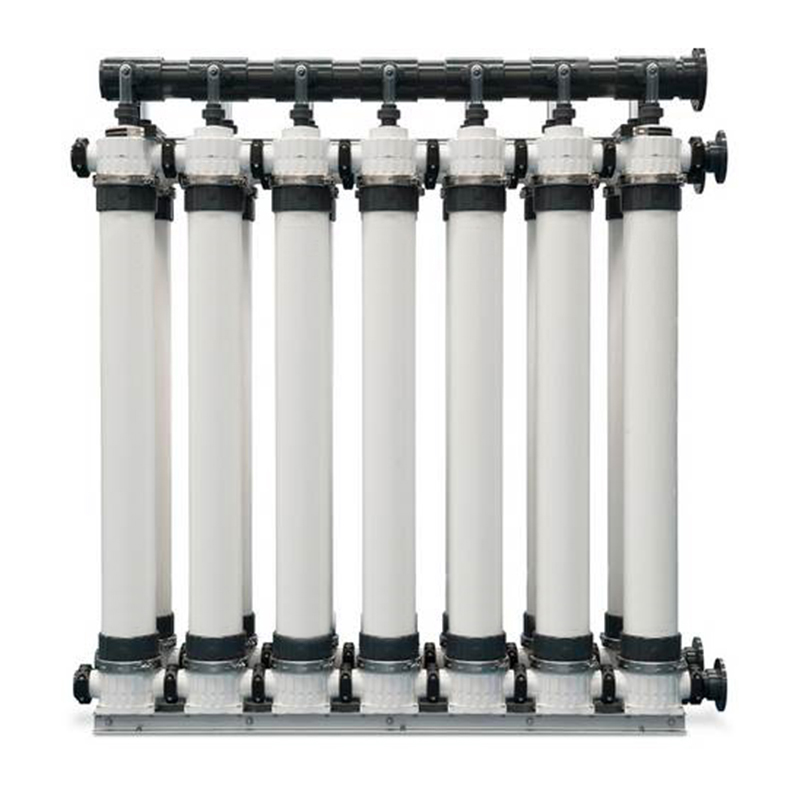
Trong lĩnh vực thanh lọc nước công nghiệp, các tiêu chuẩn chất lượng nghiêm ngặt được yêu cầu. Để đối phó với thách thức này, một bộ lọc màng với c...
Xem chi tiết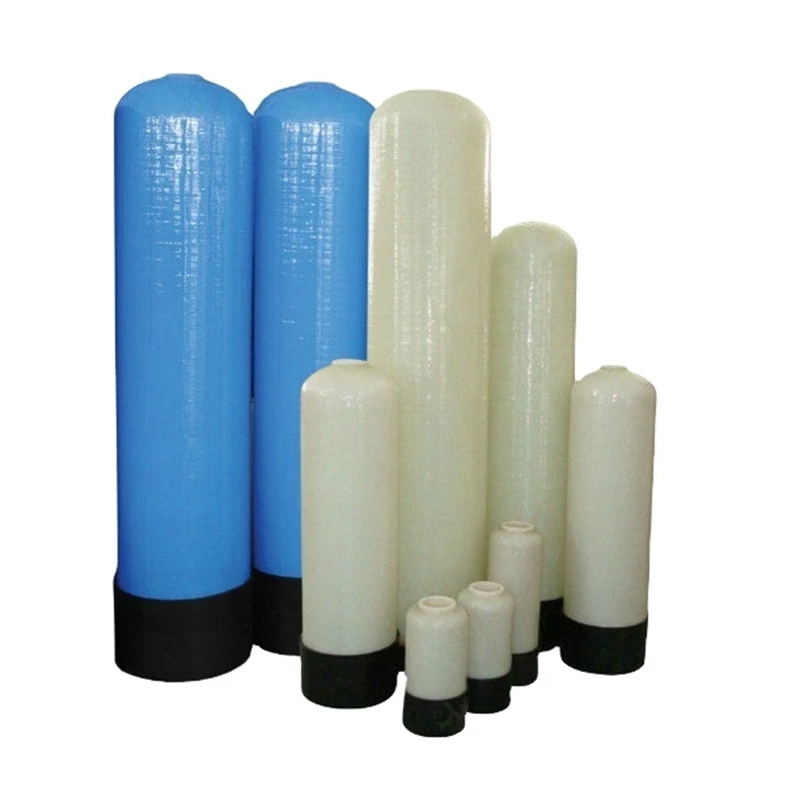
Các bể lọc làm mềm FRP (nhựa gia cố bằng sợi) nổi bật với khả năng thích ứng của chúng và có sẵn trong nhiều kích cỡ và cấu hình để đáp ứng các yêu...
Xem chi tiết
Bể lọc FRP là một thiết bị lọc sử dụng FRP làm vật liệu vỏ. Nó được sử dụng rộng rãi trong xử lý nước, xử lý nước thải, xử lý nước công nghiệp và c...
Xem chi tiết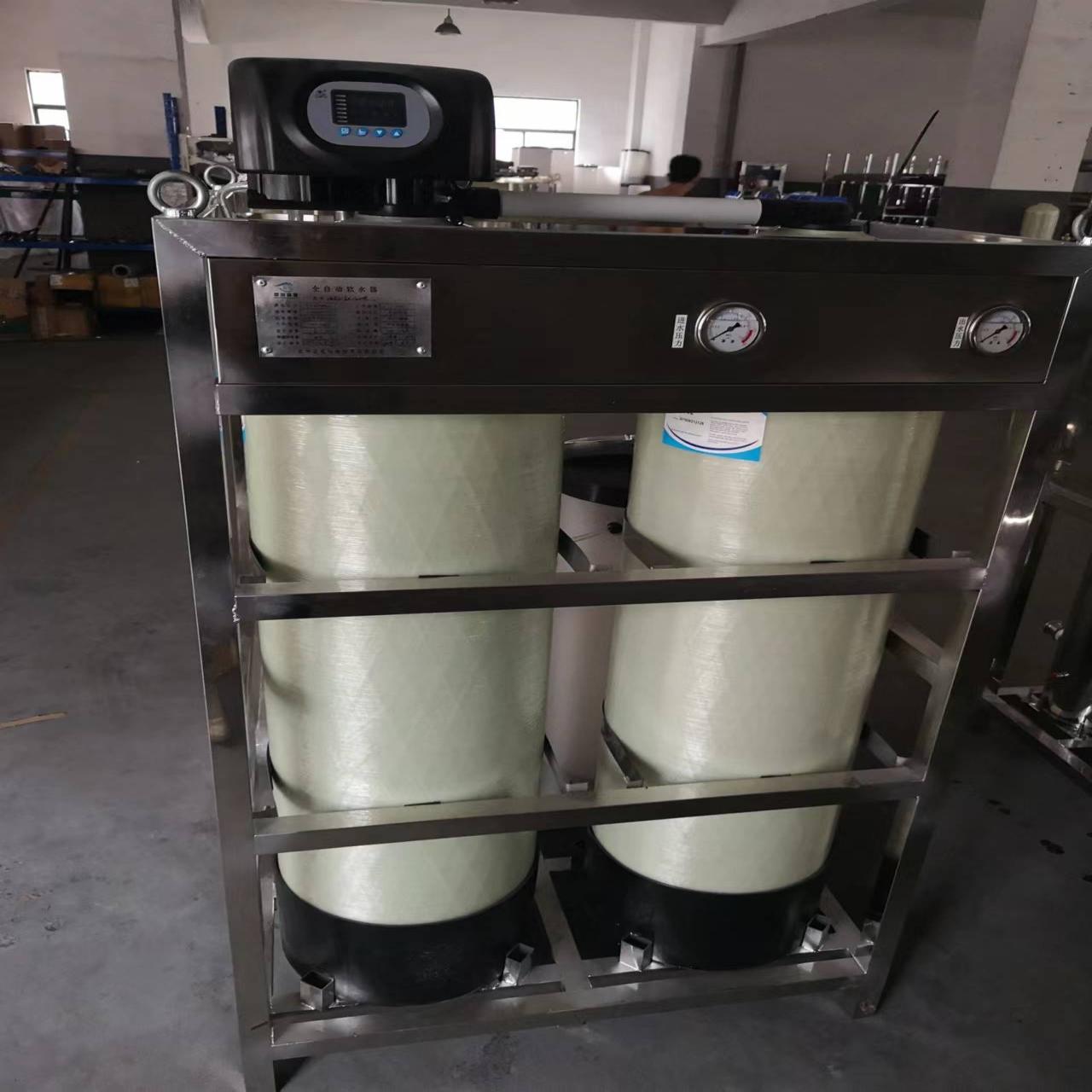
Xe tăng kép van đơn 2 tấn, một cho sử dụng và một cho chế độ chờ là một thiết bị xử lý nước hiệu quả và ổn định. Nó áp dụng một thiết kế bể kép của...
Xem chi tiết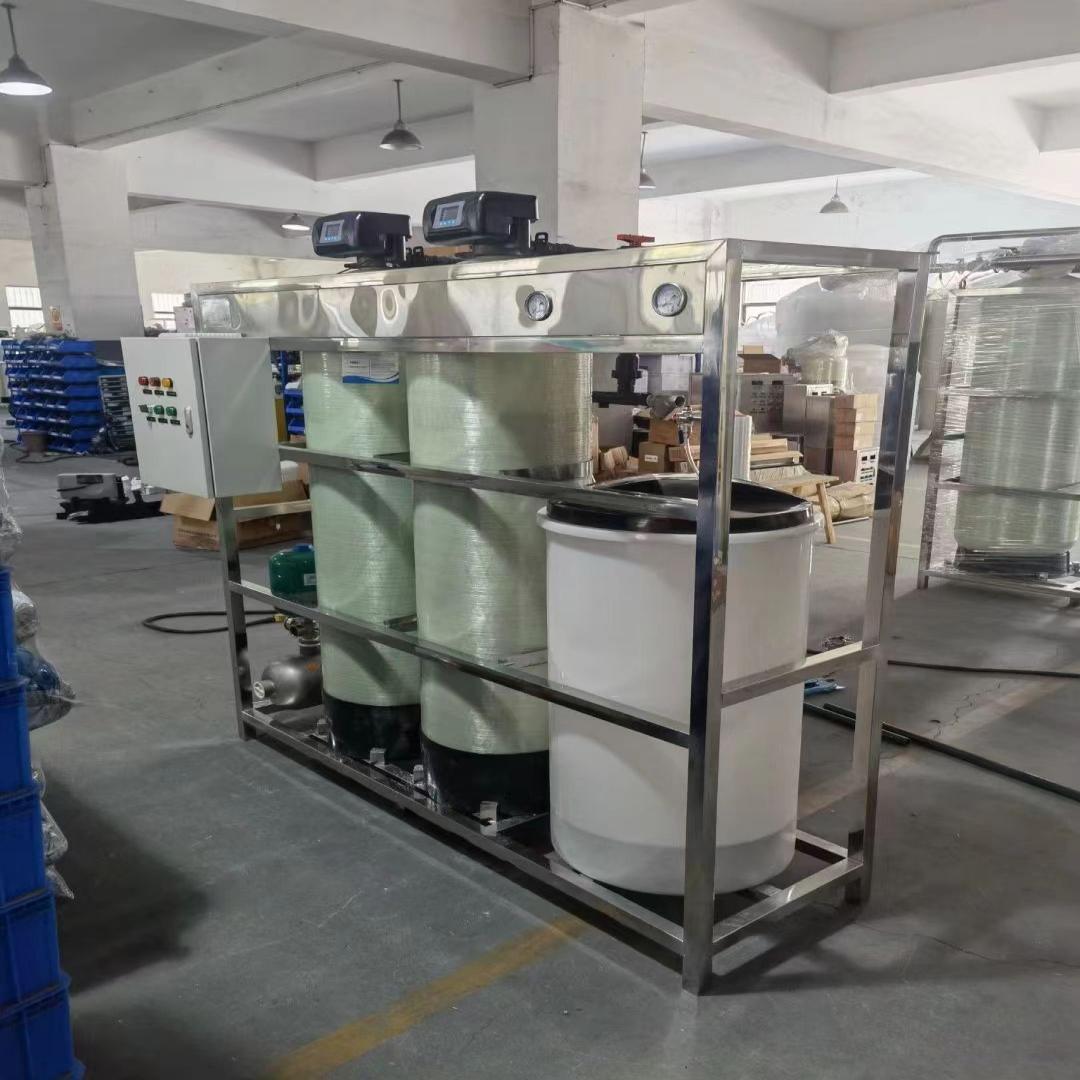
Hộp trực tiếp xe tăng kép kép 4 tấn là một thiết bị xử lý nước hiệu quả được thiết kế cho các hệ thống xử lý nước công nghiệp và thương mại. Thiết ...
Xem chi tiết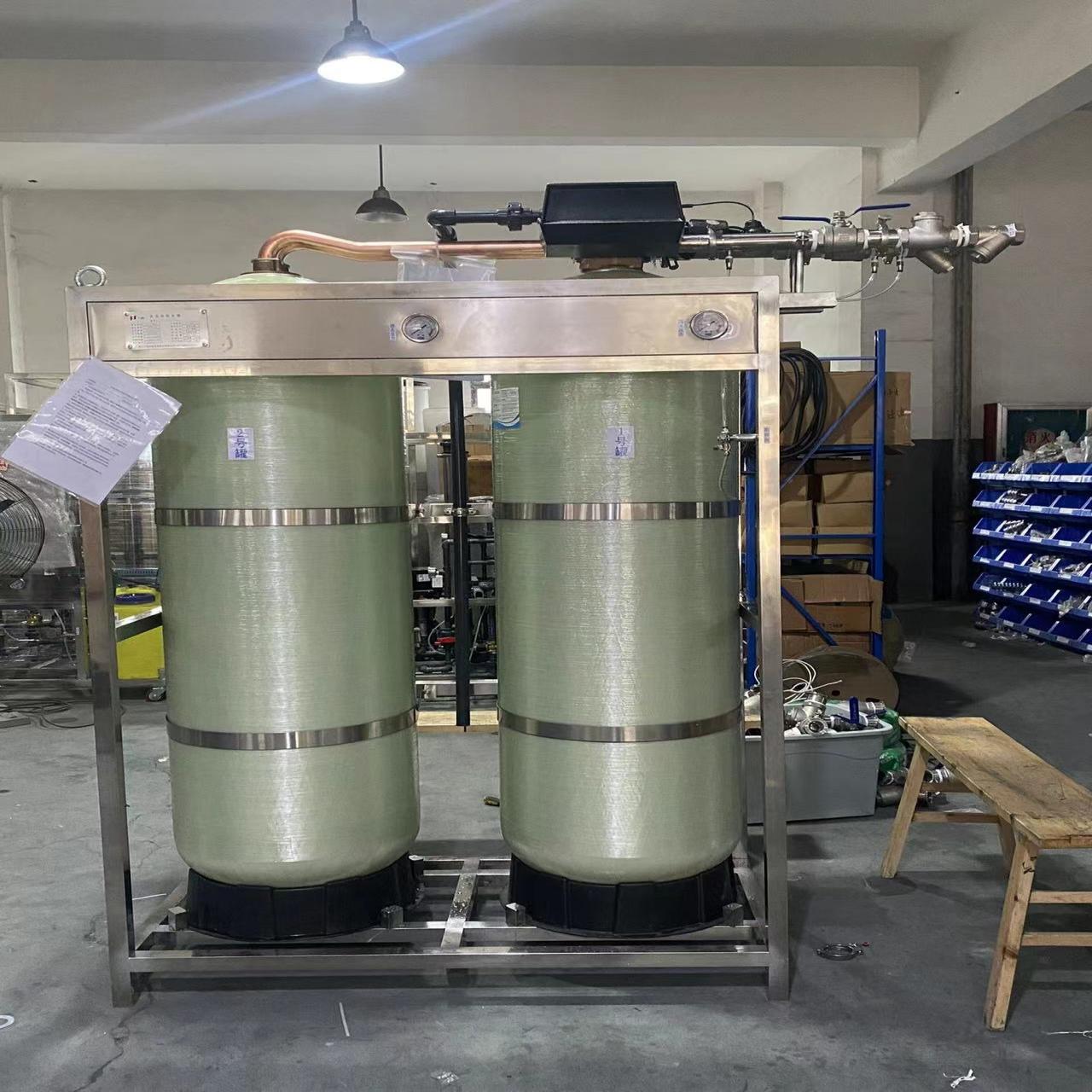
5-6 tấn bể đôi van đơn, một để sử dụng và một cho dự phòng là một thiết bị được thiết kế cho các hệ thống xử lý nước trung bình và lớn. Nó có hai b...
Xem chi tiết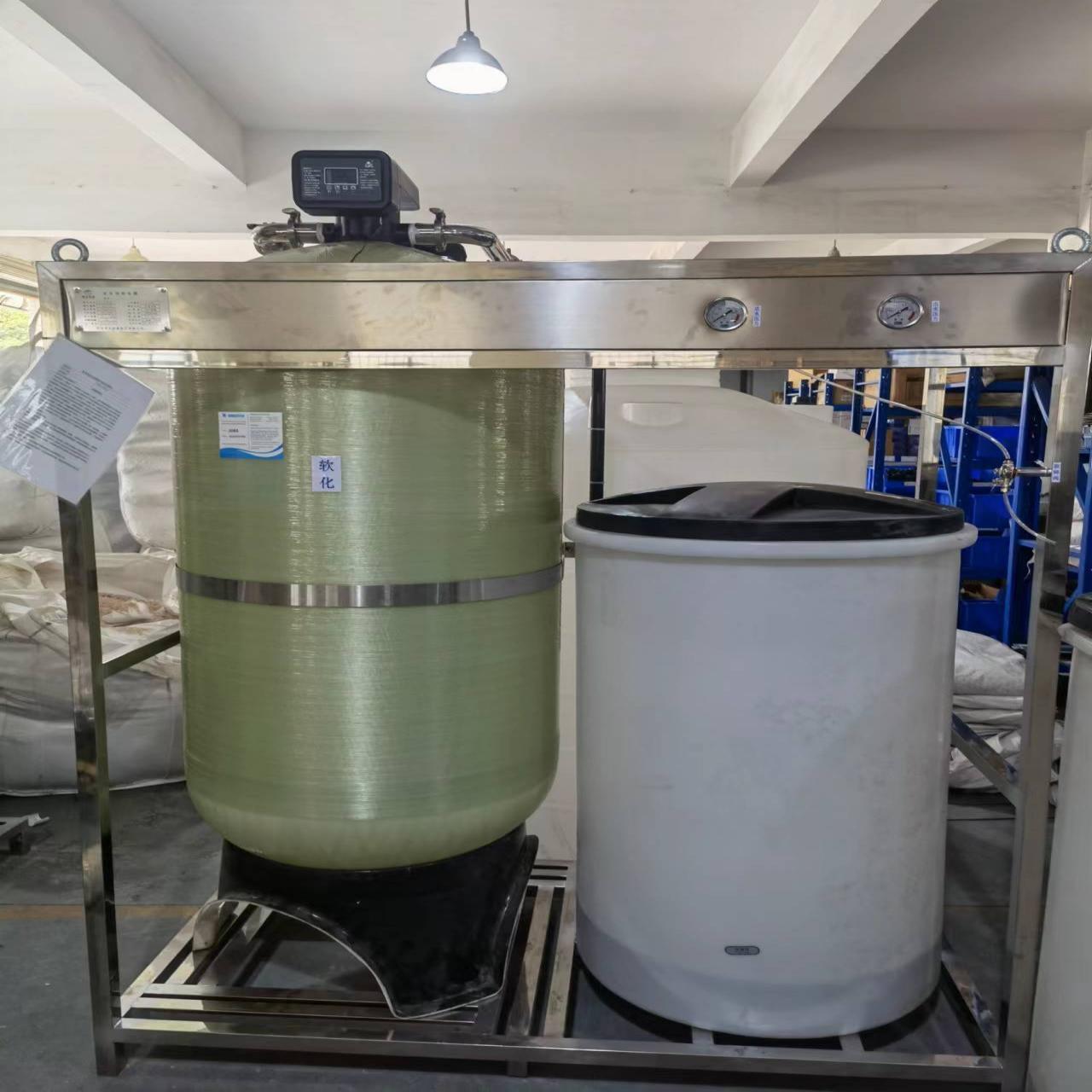
6-8 tấn bể đơn là một thiết bị xử lý nước với công suất vừa phải, được thiết kế cho các dịp cần xử lý nước lớn. Thiết bị áp dụng một cấu trúc bể du...
Xem chi tiết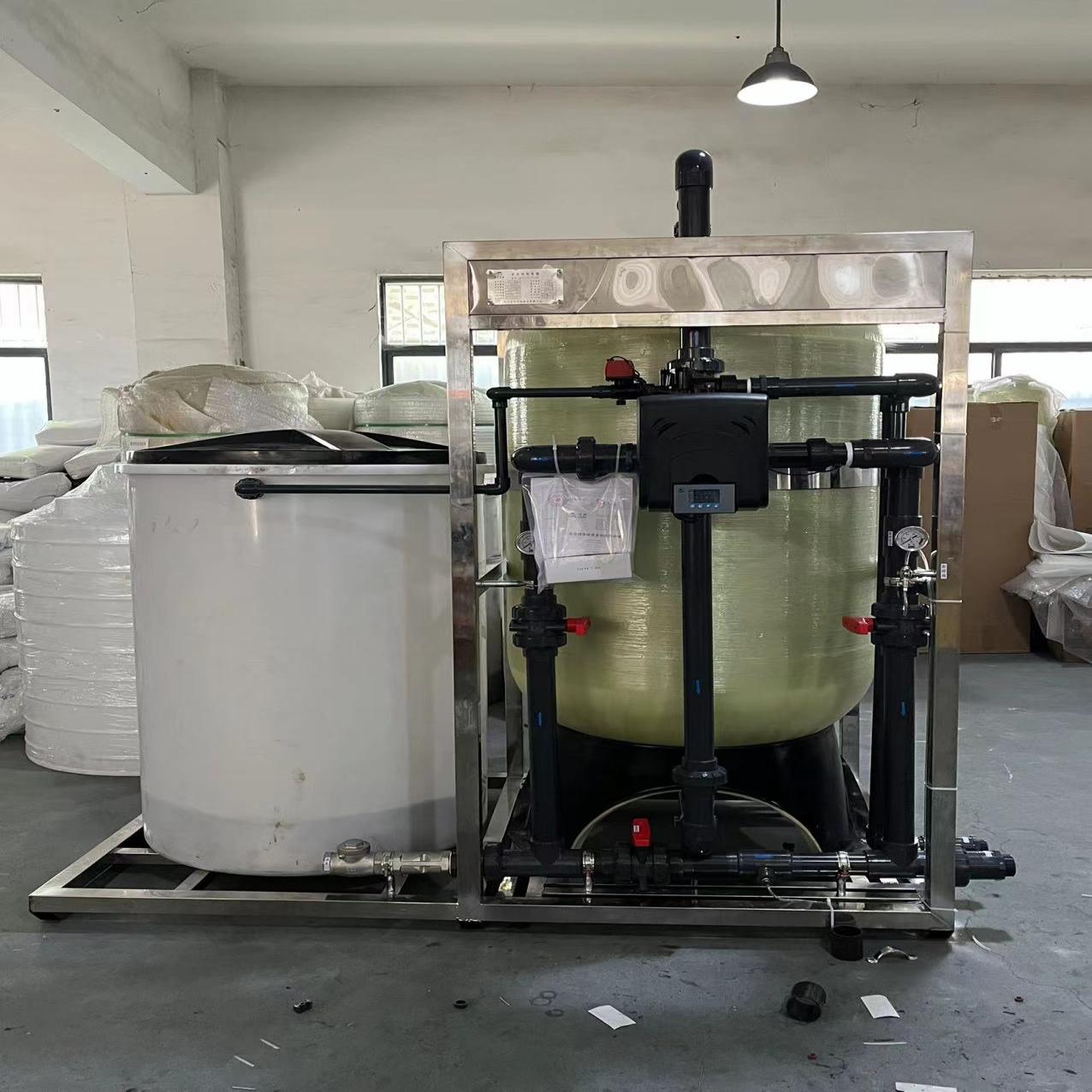
Thiết bị bể đơn van đơn 15 tấn được thiết kế cho nhu cầu xử lý nước quy mô lớn và phù hợp cho những nơi cần xử lý nước dung lượng lớn. Thiết kế xe ...
Xem chi tiết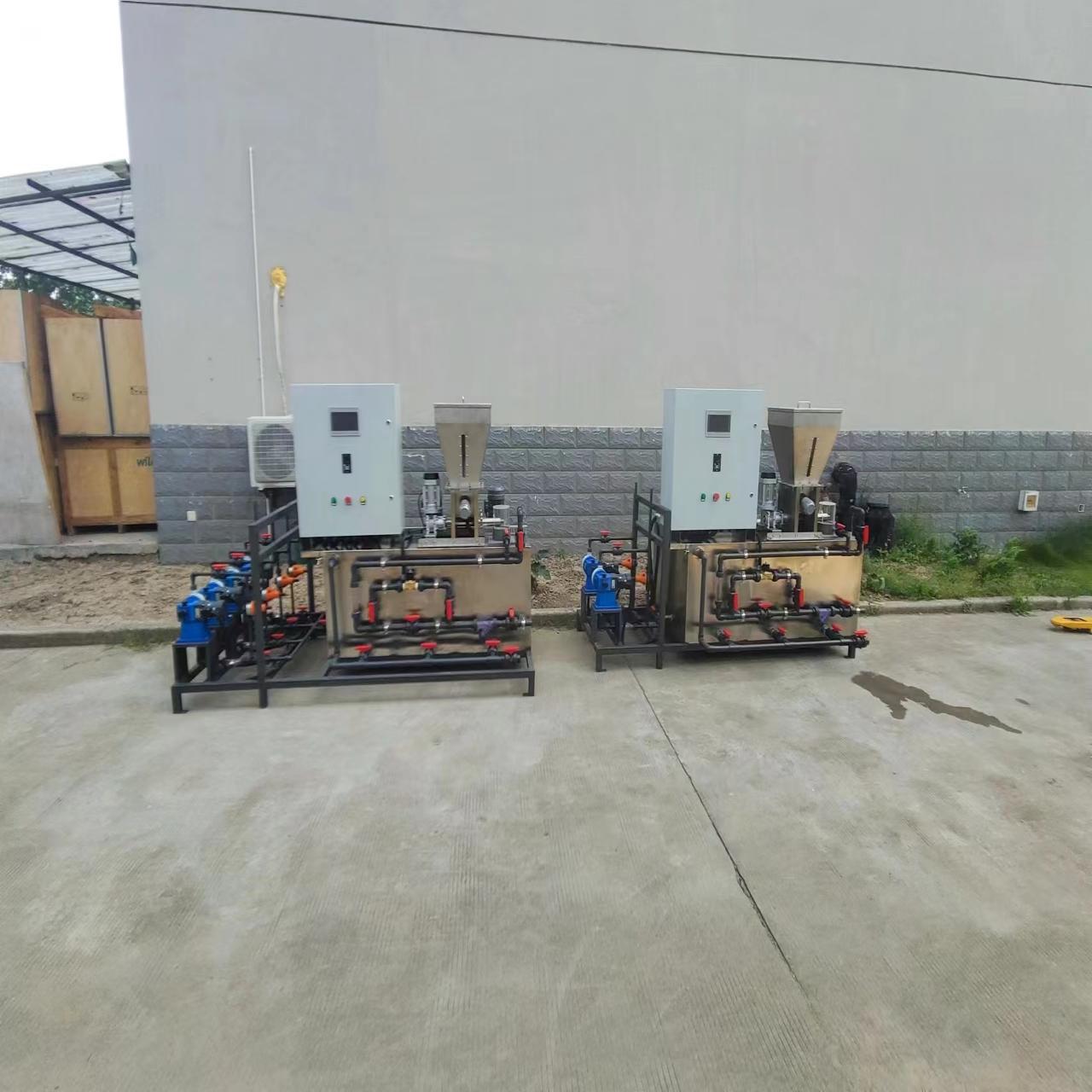
Thiết bị định kỳ PAC PAM tích hợp là một thiết bị xử lý nước tích hợp, được sử dụng đặc biệt để thêm các tác nhân như polyaluminium clorua (PAC) và...
Xem chi tiết
+86-13396595772
[email protected]
[email protected]
[email protected]
[email protected]
Phòng 508, Xingyuncheng, số 15 Phố Xingling, Phố Xingqiao, Quận Linping, Thành phố Hàng Châu, tỉnh Chiết Giang.
Bản quyền ©2024 Công ty TNHH Công ty TNHH Công nghệ Bảo vệ Môi trường Hàng Châu Roushui. Mọi quyền được bảo lưu. Các nhà sản xuất thiết bị thanh lọc nước dân dụng công nghiệp tùy chỉnh
